Gamer Life: A Designer’s Real-World Embroidery Review
First Impressions: Playful, Punchy, and Purpose-Built
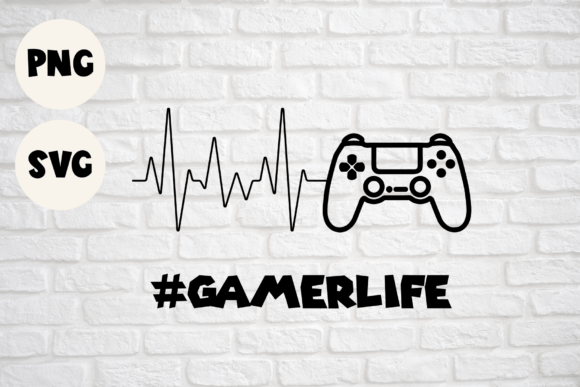
Opening the Gamer Life file set, I immediately felt its energy — bold outlines, clean negative space, and a balanced mix of iconography and stylized typography. It doesn’t scream “gamer cliché” with skulls or neon explosions; instead, it leans into warm, approachable nostalgia: pixel-inspired accents, a subtle controller motif, and friendly, rounded letterforms. As an embroidery designer who regularly translates digital graphics into stitched reality, I appreciated how the layout avoids tight clusters and overly fine linework — a strong sign it was conceived with real-world stitchability in mind.
What This Design *Actually* Wants to Be Stitched On
Last week, I used Gamer Life to embroider a custom unisex sweatshirt for a local indie game dev’s small-batch merch line. The design sat cleanly on the left chest — no awkward stretching, no detail loss in corners. That told me something important: Gamer Life thrives on medium-to-large flat surfaces where stitch definition can breathe. It performed beautifully on midweight cotton-blend fleece, holding crisp satin-stitched edges and readable fill-stitch areas without puckering. I also tested it on a linen-cotton tea towel (for a craft fair booth), and the clean lines translated well — no bleeding, no thread snagging on the weave.
It’s equally at home on tote bags, aprons, and pillow covers — especially when you’re aiming for that “handmade but polished” look. For baby embroidery? I’d recommend it only for older toddlers’ hoodies or nursery wall hangings — not onesies. The scale and visual weight feel too mature for infant wear, and the theme leans more toward teen/adult appreciation than whimsical baby decor.
Where to Pause — Not Panic — Before Stitching
Gamer Life isn’t built for ultra-fine work. If you’re planning to embroider it inside a 3-inch hoop on a curved cap front, expect some compromise — especially around tighter curves or smaller letter spacing. I tried a scaled-down version on a structured trucker cap, and while legible, the inner details softened slightly. Same goes for stretchy fabrics like lightweight knits: stabilizer choice becomes critical, and you’ll want to test stitch density first. Dense fill areas hold up well on stable substrates, but on thin or loosely woven fabric, they can cause stiffness or shadowing on the reverse side.
Dark fabric is where Gamer Life really shines — especially with high-contrast thread choices (think bright lime green or electric blue on black). But on light backgrounds, avoid pale or pastel threads unless you’re intentionally going for soft contrast. The design’s personality relies on clarity, not subtlety. Also, skip using it on layered garments (like quilted jackets) unless you’re confident in your underlay strategy — thick layers compress stitches and blur definition.
How It Shapes Your Finished Product — And Your Customer’s Reaction
This isn’t just about whether the stitches land — it’s about how the final piece lands with people. When customers see Gamer Life on a well-executed embroidered sweatshirt, they recognize intention. It feels curated, not generic. That perception lifts perceived value — crucial for Etsy sellers pricing handmade products above mass-market alternatives. For boutique branding or small shop merchandise, it adds personality without sacrificing polish. I’ve seen buyers pause longer on listings featuring this design in clean mockups, especially when styled with lifestyle shots (e.g., a gamer sipping coffee from a mug beside their embroidered tote).
Giftability? High. It reads clearly as a personalized gift — not just “a gamer thing,” but something that says “I know your vibe.” That emotional resonance matters, especially for holiday embroidery or wedding gifts (think: custom robes for a gaming-themed rehearsal dinner). Just keep the context intentional — it wouldn’t suit formal stationery, but it absolutely works on printed invitations paired with embroidered keepsakes.
Practical Notes Every Embroidery Designer Should Run Through
- Always test on scrap fabric first — especially if you’re stitching on textured or dark material. What looks sharp on screen may need slight thread tension tweaks in motion.
- Check thread color contrast early — run a black-and-white mockup to verify readability before committing to a full run.
- Review stitch density visually — dense fills are great for durability, but overpacking can lead to stiffness on lightweight apparel.
- Confirm hoop size compatibility — Gamer Life fits comfortably in standard 4x4 and 5x7 hoops, but double-check your own machine’s limits before digitizing or scaling.
- Inspect small corners and inner curves — even clean vector files can behave differently once converted to an embroidery file. Look for skipped stitches or jagged transitions.
- Use appropriate stabilizer — tear-away works for most cottons and poly blends; cut-away is safer for knits or long-term wear items.
- Verify licensing terms — since Gamer Life is listed as a Graphics product in the Print Templates category, confirm whether commercial use (e.g., selling finished embroidered items or digital embroidery files) is permitted before listing on Etsy or at craft fairs.
Final Thought: A Reliable, Human-Centered Asset
Gamer Life won’t replace your go-to monogram or minimalist floral — and it shouldn’t. It fills a specific, joyful niche: expressive, recognizable, and ready for real-life making. It respects the craftsperson’s time and the customer’s eye. Whether you're prepping for a holiday craft fair, building a small shop’s embroidery catalog, or designing a custom gift for a friend who lives for late-night raids and retro soundtracks, this design holds up — not because it’s flashy, but because it’s thoughtfully built. It’s the kind of graphic that reminds you why you love turning pixels into thread in the first place.