Green Flower: A Thoughtful Embroidery Design for Real Projects
First Impressions: Calm, Clean, and Quietly Confident
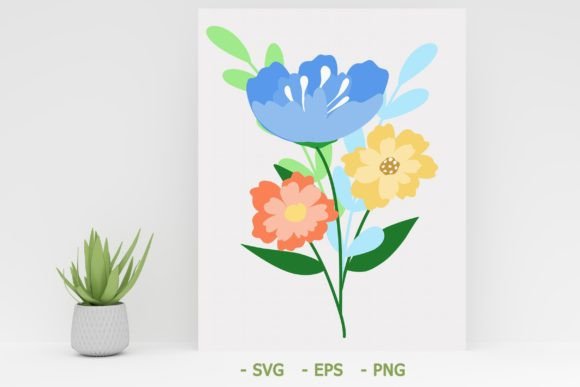
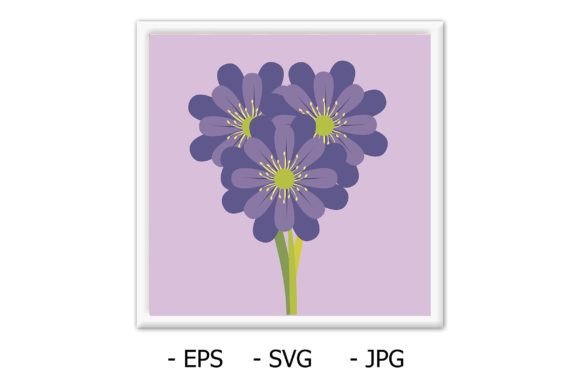
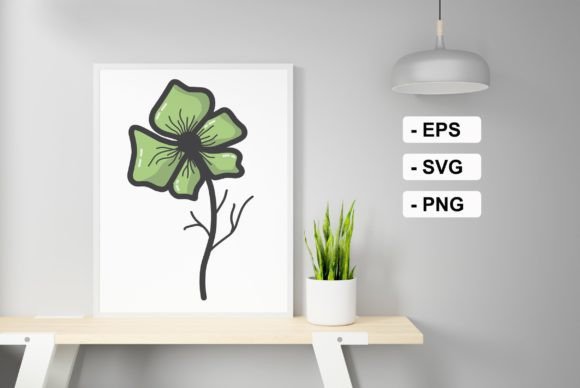
When I opened Green Flower for the first time, I didn’t see “trendy” — I saw intention. It’s not a bold botanical explosion or a hyper-detailed floral illustration. Instead, it’s a balanced, mid-scale motif with gentle curves, open negative space, and a quiet rhythm in its petal arrangement. The shape reads clearly at 3–4 inches — ideal for a tote bag front, a sweatshirt chest placement, or a baby onesie yoke. It feels handmade without looking amateurish, and commercial without feeling sterile. That balance is rare — and exactly what makes Green Flower worth holding onto in your design library.
A Real-World Test: Embroidering a Linen Kitchen Towel
Last week, I used Green Flower on a natural linen tea towel for a small-batch boutique order. Why this fabric? Because linen is unforgiving: it shifts, puckers, and shows stitch tension instantly. I chose a medium-weight cutaway stabilizer, tested thread colors on scrap first (settling on two soft sage greens and a warm ecru for the stem), and ran a single test hoop before stitching the full batch. The result? Crisp satin stitch edges, breathable fill areas that didn’t overwhelm the fabric, and zero distortion — even around the subtle curve of the outer petals. Customers commented on how “light” and “airy” the embroidery felt — not heavy or stiff. That’s Green Flower working as intended: supporting the product, not competing with it.
Where It Shines — And Where to Pause
Green Flower thrives in projects where subtlety adds value: personalized baby blankets, minimalist aprons for coffee shops, embroidered patches for denim jackets, or nursery wall hangings. Its clean lines translate beautifully into satin stitch for smooth stems and soft fill stitch for petals — no dense overlapping that risks stiffness or thread breakage. On t-shirts and lightweight cotton hoodies, it holds up well with proper tear-away stabilizer. As a machine embroidery design, it’s forgiving on slightly stretchy knits — but avoid placing it directly over side seams or curved hems unless you’ve tested hoop alignment first.
That said, I’d hesitate to shrink it below 2.5 inches for a cap front or use it on ultra-thin silk without re-digitizing for lighter stitch density. The petal tips are delicate — lovely on stable fabrics like canvas or twill, but potentially fragile on high-abrasion surfaces like backpack straps or toddler overalls. Also, while it edits easily to adjust color or scale, don’t assume it’ll auto-optimize for dark fabric: always check contrast in a black-and-white mockup before sending to production.
What It Does for Your Craft Business
If you’re an Etsy seller or small shop owner, Green Flower isn’t just another graphics file — it’s a quiet brand builder. Its consistency across products (a matching embroidered pillow cover + tea towel + baby bib set) creates cohesion without repetition. Customers recognize the motif, trust the craftsmanship behind it, and feel the care in its restraint. I’ve seen buyers specifically request “that soft green flower” again — proof that thoughtful design builds recognition faster than loud graphics ever could.
For commercial embroidery, it scales reliably from single custom orders to small batches. No tiny lettering to snag, no nested details that demand micro-hooping. It works equally well as a standalone embroidered patch or integrated into a larger composition. And because it’s part of the Graphic Templates category, it invites smart customization — swapping one leaf for a monogram, extending a vine for a border, or simplifying petals for a child’s item — all without breaking visual harmony.
Designer Notes You’ll Actually Use
- Always test on scrap fabric first — especially with textured weaves or blends. Linen, terry cloth, and brushed cotton behave differently than smooth poplin.
- Check thread color contrast on both light and dark backgrounds. Sage greens can disappear on olive or charcoal — try a warm ivory or deep moss instead.
- Review stitch density before hooping. If the fill looks overly solid in your software preview, reduce density by 5–10% for breathable results on apparel.
- Confirm hoop size compatibility. This design fits comfortably in a 4×4 hoop — but if you’re using a smaller machine or planning a multi-position layout, double-check spacing.
- Inspect small details at actual stitch size. Petal tips and stem junctions should be clean, not jagged or under-stitched.
- Test in black-and-white mockups to assess silhouette strength — crucial for logos, gift tags, or digital previews.
- Use proper stabilizer: cutaway for knits and wovens, tear-away for stable fabrics like canvas or quilting cotton.
- Verify licensing before selling finished items or bundling Green Flower into digital product kits — especially if marketing as a commercial embroidery asset.
Final Thought: Not Just a Design — A Design Decision
Green Flower doesn’t shout. It settles in. It complements rather than commands. That makes it unusually versatile — whether you’re stitching a holiday gift for a friend, building a cohesive line of handmade products, or sourcing reliable design assets for client work. It’s the kind of embroidery file that earns repeat use because it delivers quietly, consistently, and professionally. For crafters who value clarity over clutter, and makers who know that restraint often reads as refinement — Green Flower is worth more than its file size. It’s a design choice that supports your process, honors your materials, and respects your customer’s eye.